Have you ever sworn off bread, only to end up craving it more than ever? You’re not alone.
Diet culture paints certain foods as enemies, which leaves you feeling guilty about enjoying them.
I’m here to tell you that food isn’t the enemy. Diet culture is. There are no “bad” foods except for moldy bread and expired eggs.
This post will teach you how to stop labeling foods as good or bad – and how to start finding peace with what’s on your plate.
Why We See Food as the Enemy
Diet culture is a system of food myths and beliefs that lead society to believe that thin bodies are righteous and large bodies are immoral.1 In diet culture, thinness is idolized and food is moralized.
Diet culture is everywhere: social media, movies, shows, music, work, and even schools.
One (of many) problem of diet culture is that it gives food morals, painting some foods as “good” and some foods as “bad.” But, since food is soulless, it can’t have morals.
The diet industry uses fear surrounding food to get you to go on the latest diet or take the newest medication that is definitely going to make you suddenly and finally get back to your high school weight (that was sarcasm).
If you’ve ever fallen victim to diet culture, as many of us have, you may have noticed that carbohydrates, processed foods, and desserts are basically blacklisted.
When you restrict certain foods, you can’t help but want them more. It’s biology, after all.
Research shows that food cravings can come from either nutrient deficiencies or conditioning. Whatever the cause, extended food restriction for the sake of weight loss has been proven time and time again to lead to eventual re-introduction of restricted foods followed by rebound weight gain.2
Not only that, but food restriction is also believed to be the root cause of many eating disorders.3 This is due to the unhealthy cycle of restricting certain foods, then giving into food cravings, then feeling guilty and ashamed, then starting all over again with a new diet.
The Reality: All Foods Fit
If I told you that the diet industry was worth close to $200 billion dollars in 2024, would that make you question its motives?
My perspective as an RD and expert in nutrition is this – no single food or type of food can ruin your health or make you gain weight. The truth is, all foods can fit into a diet that is both well-balanced and health-promoting.
What’s most important are diet patterns over time.
Eating a cheeseburger for dinner or ice cream for dessert (or both in one night!) isn’t going to destroy you. In fact, eating delicious foods like these may actually spark some joy, especially once you realize that they won’t cause weight gain or diabetes overnight. And joy is essential to health.
To have a better relationship with food, it’s important to start seeing the benefits of food.
Carbohydrates are your body’s preferred source of energy. Fats provide satiety and increase nutrient absorption. And sugar is delicious and is often included in celebrations and times of social connection.
Food is fuel, but it’s more than that. Food is joy, tradition, and connection, too. Food is not the enemy.
How to Make Peace with Food
As an ex-dieter, it feels easy for me to tell you to leave diet culture in the past because I’ve made it to the other side where I enjoy all foods. But I know it’s not that simple.
Finding peace with food took me literal years, but the slow process was worth it. Hopefully, it won’t take that long for you.
While the steps can look different from one person to the next, I’ve come up with 4 steps to help you start making peace with food.
- Notice the labels: Call yourself out when you label a food as “good” or “bad.” Also, become aware of feelings of guilt or shame surrounding food. After awhile, you may find yourself no longer labeling foods (or yourself) as “good” or “bad.”
- Challenge the thought: When a thought pops into your brain regarding food, challenge it. Work on replacing “I can’t have this food” with “I can choose this food if I want.” Who says you can’t have the food anyway? Diet culture? Remember, diet culture doesn’t have your best interests at heart.
- Add, don’t restrict: Diets are all about restriction. One of the best things you can do when finding peace with food is focus on adding foods to your diet rather than taking them away. This means finding balance by adding more foods, like protein, healthy fats, and whole grains, to your diet.
- Practice permission: To find peace with food, you must allow yourself to enjoy all foods. One meal, one snack, one day, or even one vacation of eating doesn’t define you. Give yourself grace and permission to eat what you enjoy.
Allowing yourself to eat the foods that you want and that sound good to you is incredibly freeing, and important to your physical and mental health.
A Gentle Nutrition Perspective
Gentle nutrition is one of the 10 principles of Intuitive Eating. It emphasizes food choices that support your overall health and don’t require food rules or restrictions.
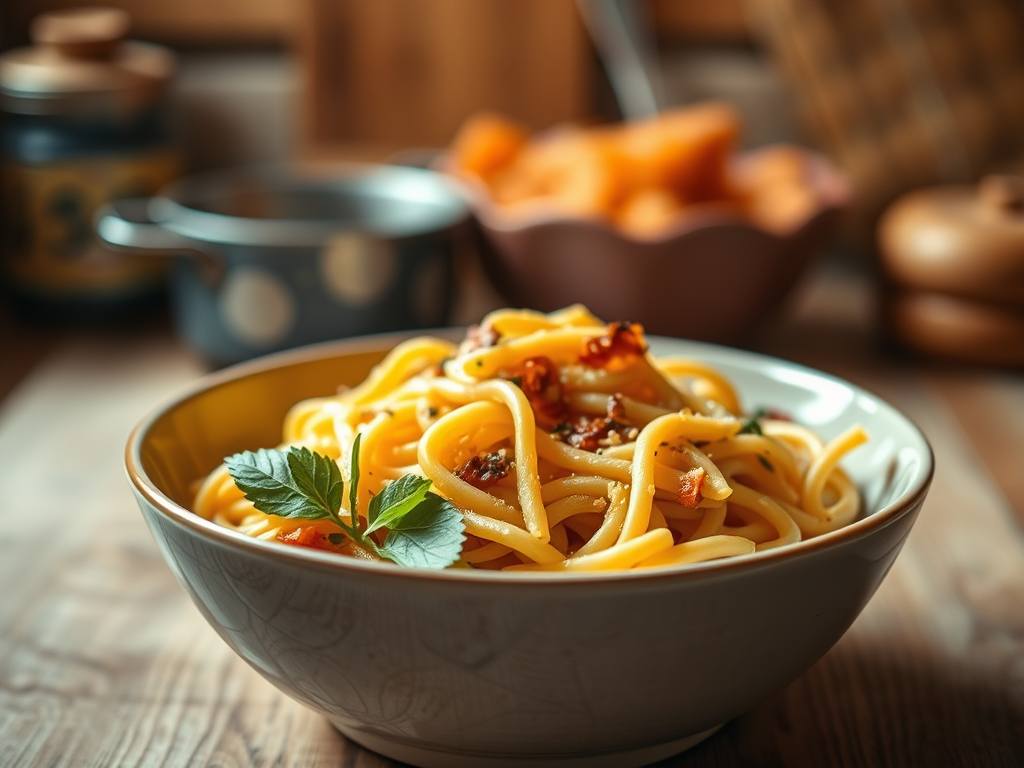
An example of gentle nutrition is enjoying pasta (diet culture’s nemesis) with veggies and protein. Adding veggies and protein rounds out the meal, increases satiety, and adds important nutrients, including fiber, vitamins, and minerals.
Like the example above, a gentle nutrition approach to food allows you to create meals and snacks that are satisfying but also nourishing.
There’s often confusion surrounding gentle nutrition and intuitive eating, as some people think intuitive eaters eat McDonald’s and cookies all day. While those foods can certainly be enjoyed, gentle nutrition is more about flexibility and balance.
Gentle nutrition recognizes that there is no “perfect” diet. The foods that nourish your body may look different from the foods that nourish my body, but that doesn’t mean we can’t both be healthy.
After all, isn’t health what it’s all about at the end of the day?
A Final Note
There are no “good” foods or “bad” foods, and labeling them as such is harmful.
Diet culture has been rampant for years and has ruined food for many of us. But you have the power to stand up to diet culture for the sake of your physical and mental health.
Once you realize that diet culture is the enemy (not food), you can start taking steps to make peace with food.
As your start to learn how all foods can fit into your diet, I recommend a gentle nutrition approach, and a whole lot of grace.
 Intuitively Written
Leave a comment